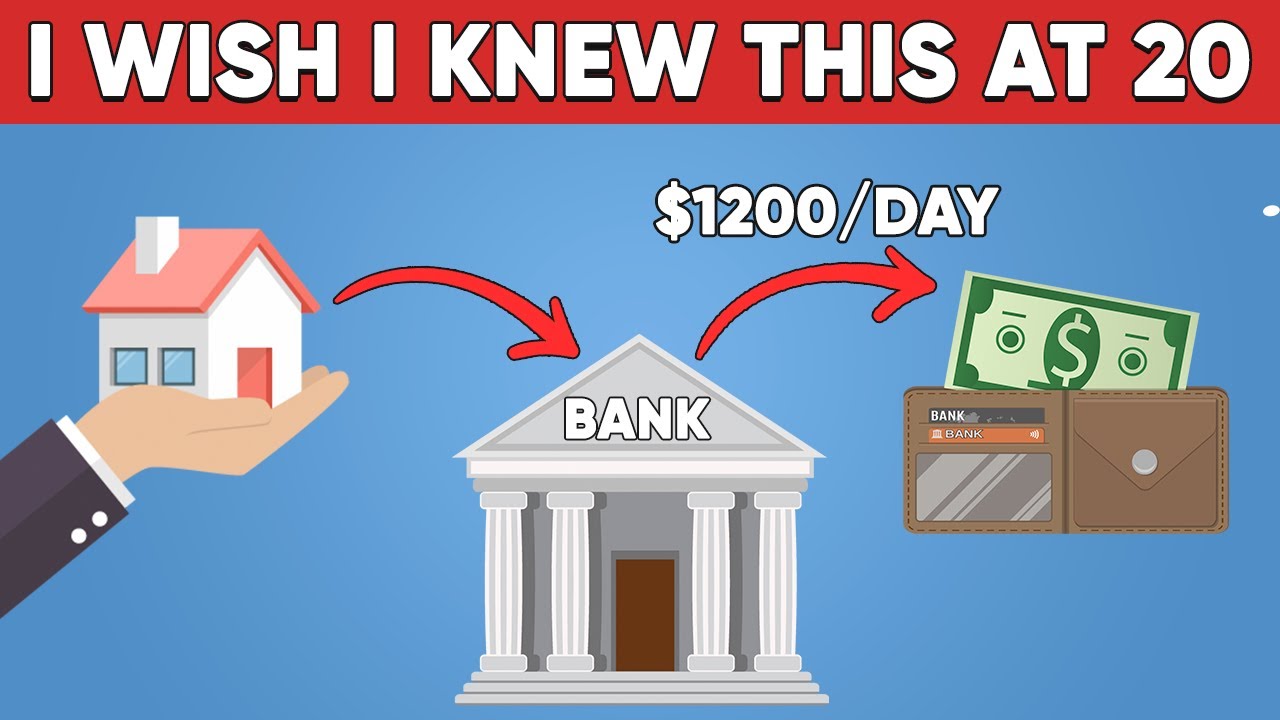
Getting Started with Wholesaling Houses 101
Wholesaling houses offers a quick entry point into real estate investing, centered around minimal upfront costs that yield rapid profits, while relying heavily on negotiation and market research skills. Through this approach, a wholesaler obtains a discounted property agreement, and then assigns the purchase rights to an end buyer for a fee, serving as a facilitator linking those who need quick sales and those seeking deals. Achievement relies on uncovering undervalued homes in promising locales, enabling the wholesaler to create value through rapid contract assignments. Additionally, a thorough understanding of local market conditions ensures accurate ARV calculations, yielding outcomes in which all parties feel the arrangement is fair These fundamentals form the bedrock of wholesaling success, guiding investors to identify, negotiate, and finalize deals systematically, and reducing potential losses by applying research at every step. Overall, wholesaling houses 101 arms newcomers with a rapid method for property returns, provided they keep up with integrity, vigilance, and consistent pursuit of valuable deals.
Numerous newcomers see wholesaling as ideal since minimal cash is needed, as hefty financing typically isn’t mandatory for obtaining a contract at below-market rates, and credit scores may not pose as big a hurdle as in other real estate transactions. Conversely, triumph depends on forging connections to spot off-market leads swiftly, along with strong negotiation that persuades sellers to accept fair but discounted offers. Experts emphasize ongoing promotion via targeted letters, social media posts, and industry gatherings, so that an unending pipeline of leads emerges, where speed matters more than market time. Resources from WholesalingHousesInfo.com real estate investing blog often aid newbies with step-by-step strategies and proven tactics. Guidance from that source can clarify complex steps and offer real-world advice, helping them avoid pitfalls like overestimating ARV, underestimating repairs, or rushing contract terms. Steadfastness and tenacity stay crucial, for only some prospects turn into profitable flips, yet the ones that do can deliver significant payouts relative to the time invested.
Breaking Down Wholesaling Steps
Initially, identifying distressed properties ranks as the first stage in the wholesaling pipeline, usually entailing investigating distressed occupant rosters, inheritance property lists, or vacant landlord data to spot undervalued deals. Next, contacting homeowners and gauging their level of urgency or desire to offload property sets the negotiation tone, leading to a scenario where fair but appealing offers can persuade them to accept a quick, hassle-free closing. Securing the property under a purchase contract, albeit with clauses allowing assignment, cements the wholesaler’s position, resulting in the wholesaler passing on those acquisition privileges to a secondary investor holding final payment, and netting the wholesaler a fee that represents the difference between the contract price and what the end buyer agrees to pay. These transference clauses typically have expiration dates, meaning swift promotion and buyer engagement is key, avoiding a scenario where the contract lapses or the homeowner grows impatient with delays. Finally, orchestrating the closing with a title company ensures all documents and funds get exchanged correctly, guaranteeing clarity for every participant while reducing the potential for last-minute setbacks.
Throughout these steps, the wholesaler’s chief focus is to maintain transparency and fairness, as building credibility results in continuous leads and supportive endorsements. Be it postcards, local scouting, or real estate mixers, sustaining a lead funnel is indispensable for ongoing deals, while advanced CRM systems ensure those leads receive thorough follow-ups, segmenting them by urgency or property type for best results. Reviewing neighborhood data and estimating property upgrades halts inflated purchase amounts that can sabotage your margins or deter back-end buyers, thus strict attention to these figures secures a workable arrangement right from the early stages. pushes you toward heightened knowledge and refined tactics that elevate routine tasks, ensuring you remain a step ahead in a market that rewards preparedness and quick execution.
Discover more about wholesaling houses, visit: real estate investor tools
Developing Vital Communication Skills
Effective negotiation requires respecting the owner’s situation while presenting beneficial terms, creating an outcome that meets mutual core goals, as opposed to imposing terms that disregard the seller’s needs. Fostering a bond requires validating the occupant’s obstacles and consistently demonstrating honesty, laying groundwork for straightforward closings and minimal cold feet. Additionally, understanding each purchaser’s aims—short rehab, extended tenancy, or long-term equity—helps propose fitting deals, amplifying your image as a reliable connector offering relevant prospects. Long-term success also depends on maintaining an organized list of repeat buyers or dedicated partners who can close quickly, since a slowdown in buyer interest can grind promising deals to a halt. Interaction stands paramount: quickly sharing necessary repairs or shifts in terms builds commitment and preserves clarity.
When stakes rise, certain investors employ rehearsed lines or trial negotiations, allowing them to sharpen their pitch and manage seller resistance effectively. Nonetheless, sincerity remains paramount, given owners typically appreciate an honest approach over aggressive moves. Regular pings, by phone or message, signal your commitment and readiness to seal the contract, preventing them from drifting toward rival bids or losing faith in your ability. Openness regarding assignment earnings, estimated durations, and clauses averts misunderstandings as closing nears. Partnering with settlement professionals or advisors helps curb contractual snags, granting security that the procedure respects all formalities and remains steady through the final transfer.
Overcoming Common Wholesaling Hurdles
A common snag surfaces if after-repair values are inflated, eroding margins and discouraging investor interest, leading either to a canceled deal or a rushed revision that shrinks your profit share. By the same token, a fraction of homeowners reject cut-rate bids due to sentimental connections overshadowing realistic market assessments, thus providing objective valuations and upgrade cost breakdowns clarifies your calculations. Inconsistencies in local laws or assignment regulations can also trip up new wholesalers, therefore necessitating a legal expert or seasoned partner to guide compliance with those rules, preventing nullified deals, penalties, or negative publicity stemming from accidental breaches. Financing obstacles emerge if the end buyer struggles to secure funds, delaying or jeopardizing closing, meaning it’s wise to cultivate relationships with people who can close without financing hurdles. Rivals in your region might push offers higher, shrinking your spread if you only chase razor-thin leads, thus exploring under-the-radar ZIP codes or perfecting your outreach to discover hidden bargains sets you apart.
A percentage of novices hurry to flip agreements lacking clarity on the investor’s actual aims, leading to canceled deals or soured relationships once mismatches come to light. Taking time to validate opportunities is vital, yet it can’t stall progress so long that owners or investors vanish, where mastering such equilibrium regularly defines who scales steadily versus who stalls quickly. speedily links you to broader knowledge that can fortify your property strategies, confirming every aspect of your journey is fully supported for maximum returns. Ultimately, consistent self-reflection, adapting to market cues, and refining negotiation skills ensure you navigate hurdles effectively.
Expanding Wholesaling Networks Strategically
At the core of a flourishing flipping venture, a solid roster of buyers ensures prompt assignment finalizations, thus limiting the risk of cancellations or drawn-out negotiations that could derail the entire deal. Engaging in meetups, social platforms, or professional associations broadens such lead pipelines, and regular outreach ensures you remain a primary contact when they seek fresh acquisitions. Once you expand, categorizing clients by strategy—short rehab vs. buy-and-hold—streamlines effective offers, thereby guaranteeing each outreach resonates with the appropriate buyer subset. Automation helps manage these expanding relationships, using scheduled emails or texts announcing new deals, preventing the surge of incoming leads from drowning you in clerical tasks. Outsourcing certain tasks, like property inspections or marketing design, also allows you to devote more energy to high-level strategy, letting you investigate fresh markets, form powerful collaborations, or polish your bartering skills further. Keeping watch on indicators like assignment profit, closing speed, and ad spend ratio uncovers the success of your expansions, and prompts real-time adjustments if certain approaches stall or buyer demand shifts. Long-term expansion thrives on synergy with trustworthy renovation teams or licensed agents verifying property viability, supporting consistent valuations and fostering belief among buyer networks in your thoroughness.
A strong name in the market magnetically attracts repeated collaborations, suggestions to others, and spontaneous inbound calls, so ensuring positive experiences at every transaction phase fosters growth that endures beyond short-term market cycles. When systematically ramping up, you minimize hazards and preserve excellence in your ever-multiplying transactions, thereby equipping you to endure recessions but exploit expansions smoothly. Eventually, an extensive buyer’s list and a dependable network lay the groundwork for exploring other investment avenues like fix-and-flips or rental portfolios, transforming your flipping platform into a launchpad for more ambitious asset building. In conclusion, establishing a robust enterprise requires structured growth, mindful oversight, and a persistent commitment to outcomes that benefit all parties.
Discover more about wholesaling houses 101, visit: real estate investment software reviews
Ensuring Future Stability in Wholesaling
Ongoing learning about neighborhood shifts, legal changes, and finance methods maintains your standing in a competitive domain, as property climates can alter rapidly, particularly when financial policies shape consumer moods. Linking up with like-minded investors, frequenting professional workshops, or partaking in collaborative forums stimulates knowledge exchange, unique perspectives, and occasional alliances, expanding your capabilities beyond what solo trial-and-error can achieve. directs you into a richer set of blueprints and success stories to enhance your modus operandi, ensuring you remain on a path of growth rather than stagnation. In spite of expertise levels, maintaining modesty and listening to advice unveils areas for improvement or overlooked deals, allowing upgrades in your workflow that sustain agility, foresight, and readiness for unfamiliar territory. Varying your outreach—like pursuing inherited homes, courthouse listings, or small multifamily—guards against reliance on limited channels, shielding you from abrupt market changes that might dry up your primary lead funnel. Ultimately, sustained vision demands interpreting every transaction as more than a check, but a stepping stone for better relationships and deeper knowledge, thus converting these foundational lessons into a flexible enterprise that navigates any real estate climate.